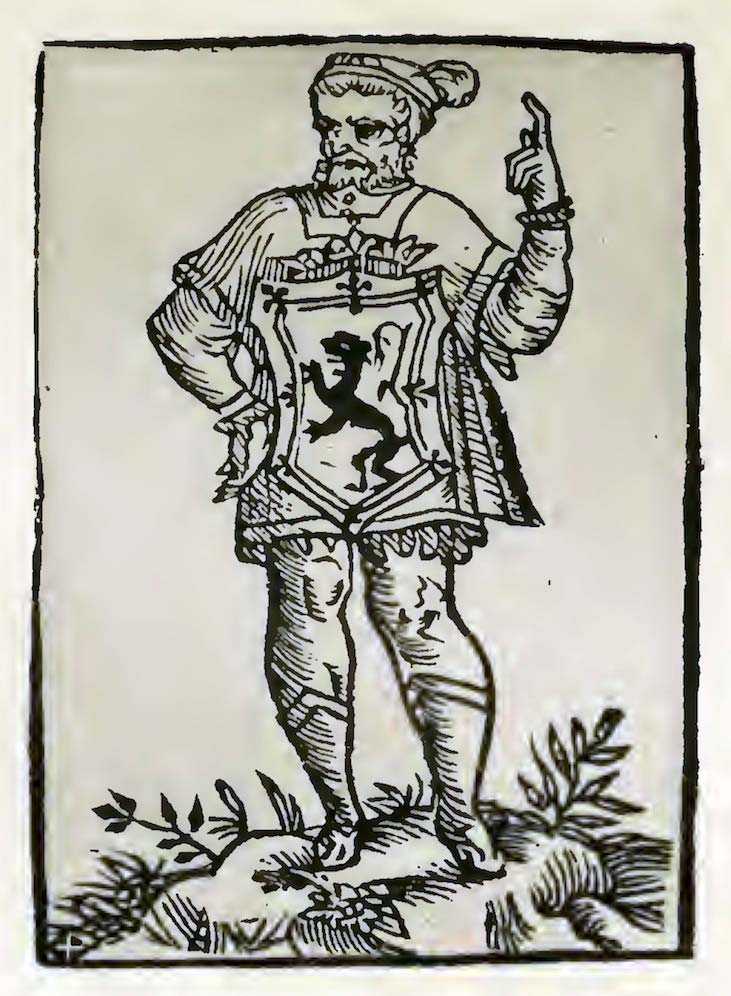
Sir David Lindsay of the Mount paved the way for the Scottish Reformation. A true ‘Poet of the People’, he wrote plays that excoriated the Catholic church and were seen by thousands. He hoped to advance the Reformation without the bitterness and hatred that was seen elsewhere. He was also a trusted royal adviser and diplomat. As Lyon King of Arms, he compiled an Armorial, which, for the first time, systematically registered the arms of Scotland’s nobility.
The Reformation took a violent turn; Sir David’s younger contemporary, John Knox, called for the demolition of churches. One great church that survived was Glasgow Cathedral; its canny Provost, Patrick Lindsay, pretended to share Knox’s iconoclasm, but suggested deferring the cathedral’s destruction until a new church was built. It is the only pre-Reformation church of any size standing in Scotland.
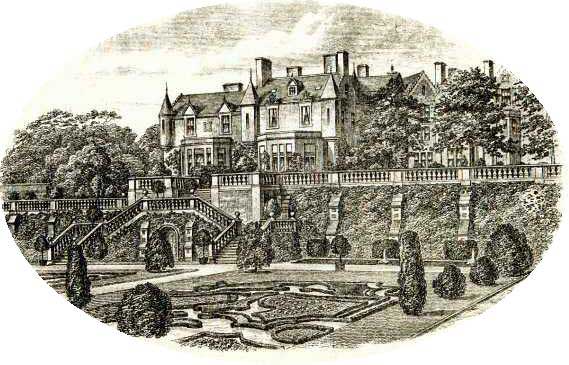
The Renaissance, which started in Italy, flourished in 16th century Scotland. Science, learning and the arts benefited from royal patronage. Schools and universities were encouraged. Among the leading men of this era was John Lindsay, Lord Menmuir. Before he was thirty, he was a Lord of Session and a trusted adviser of King James Vl, for whom he undertook a multitude of tasks. He acquired property at Balcarres, where he built a mansion, which is the prime residence of the Chief of Clan Lindsay.
Menmuir was a scientist, with a particular interest in mining. The king wanted to exploit Scotland’s mineral resources and appointed him Master of Metals. He made several visits to Germany, a country pre-eminent in mining skills. German experts helped him draw up plans for a smelter, which were cut short by premature death in his mid-forties.